
Campidano di Cagliari
A landscape of plains, sea and history
The historical region of Campidano di Cagliari extends in the south-eastern portion of Sardinia and constitutes the southernmost plain of this great geographical system. The territory, formerly part of the Giudicato of Cagliari, has the island capital of Cagliari as its natural and cultural center and overlooks the coast of the Gulf of Angels, up to including stretches of sea and beaches recognized at a tourist level of excellence such as those of Villasimius and the coast of Quartu Sant’Elena.
This region is characterized by a combination of historic urban landscape, natural areas of great value and first-class coastal environment: from the flat interior with cultivated fields and historic villages, to the coastal strip along the sea, with lagoons, dunes and beaches.
Old town, sea, lagoons and urban nature
At the center of the region is Cagliari, which is not only the administrative capital, but also a historical and cultural center of great importance.. Here ancient and modern testimonies are intertwined in a balance between historical heritage, art, urban environment and natural landscape. The historic center is divided into several historic districts — Castello, Stampace, Villanova and La Marina — which develop among alleys, squares and medieval monuments with views of the sea.
The city offers a very rich cultural offer in terms of museums and collections, including the National Archaeological Museum, which preserves artifacts from prehistoric times to late antiquity; art galleries and specialized museums ranging from Asian art collections to ecclesiastical heritage; and Roman testimonies such as the Roman Amphitheater, fundamental to understanding the vitality of ancient Caralis.
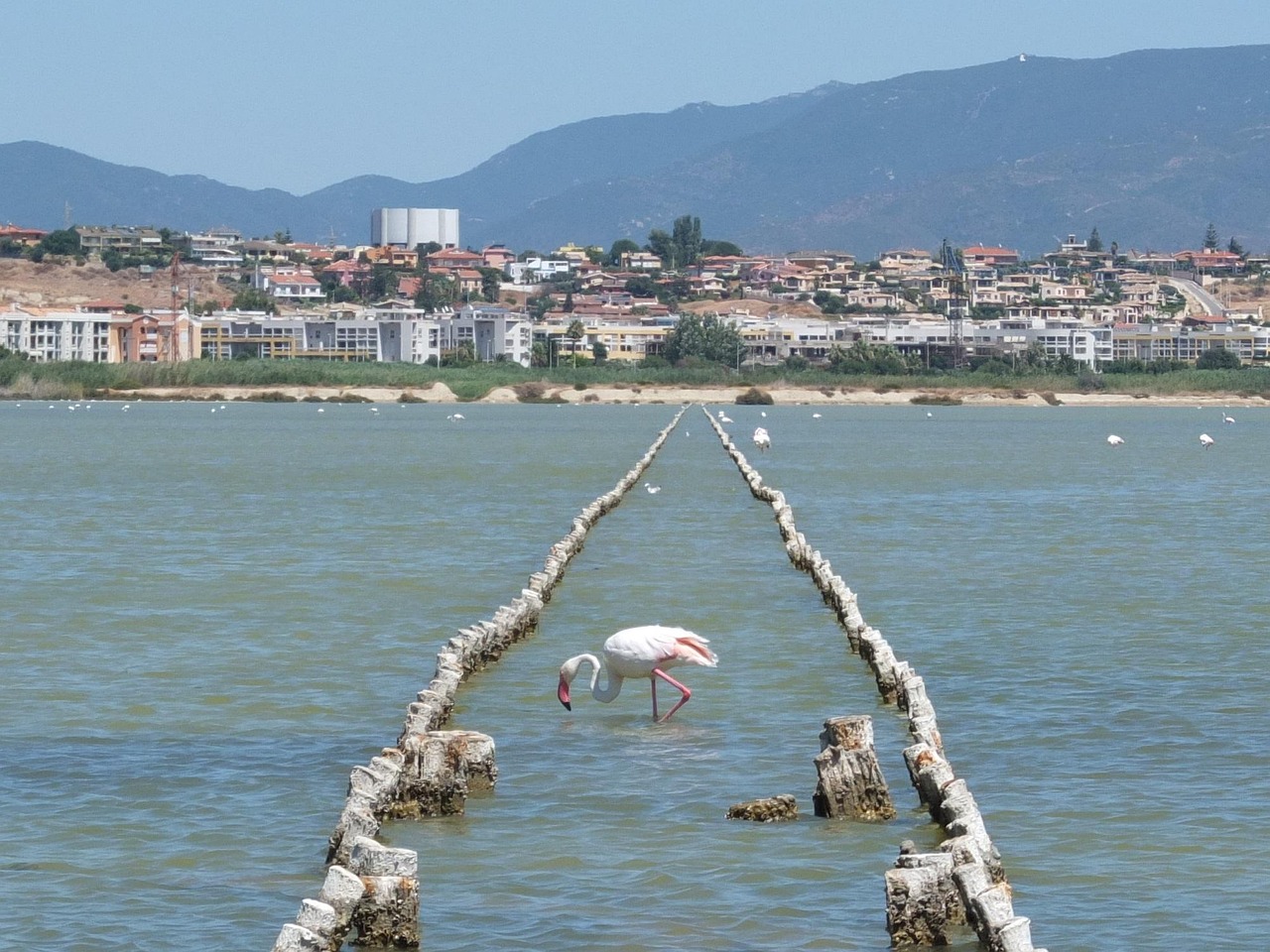
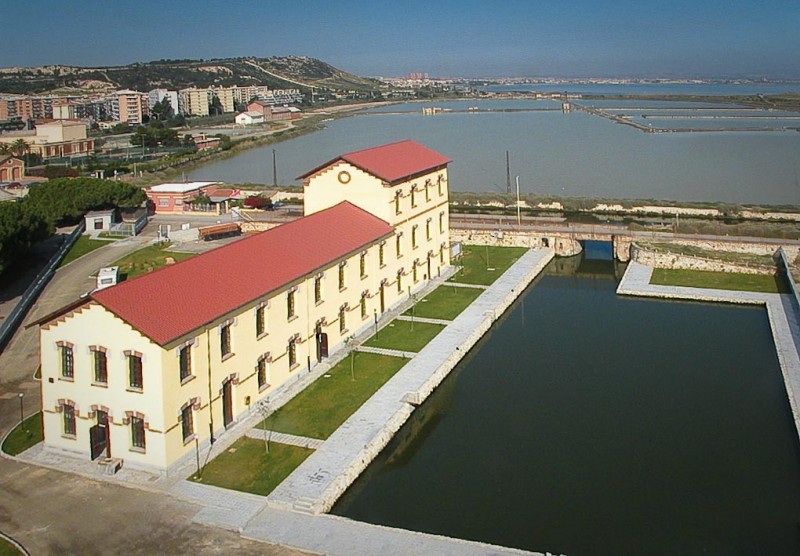
Cagliari overlooks natural scenery of great charm: the coastal lagoons and wetlands of the plain, including the Molentargius-Saline Regional Natural Park, are ideal environments for wildlife observation — in particular pink flamingos and numerous species of migratory birds — and constitute a natural element of great landscape value in the heart of the metropolitan area.
The famous Poetto beach, which stretches for over 8 km along the coastline between Cagliari and Quartu Sant’Elena, is one of the most iconic landscape elements of the region: the beach offers a long stretch of light sand overlooking the Tyrrhenian Sea, with seaside activities, outdoor events and visitor services.
Comuni
❌ Nessuna località trovata per area ID 30417.
Historic villages, rural landscapes and ancient testimonies
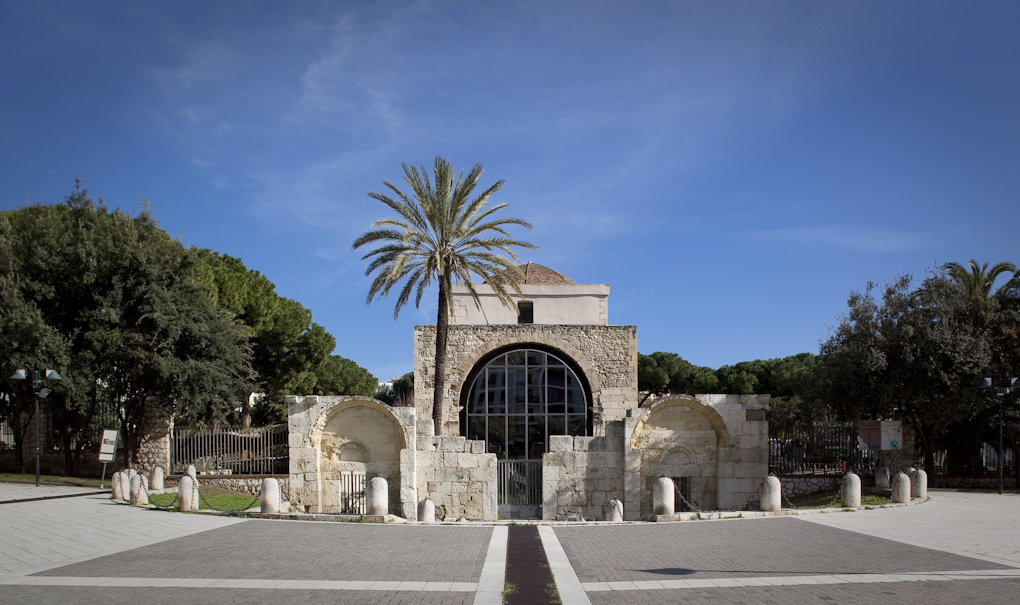
Outside the city, the Campidano preserves villages rich in history, archaeological traces and rural traditions.. Centri come Assemini, Decimomannu, Decimoputzu, Elmas, Monserrato, Quartucciu, Selargius, Sestu and other inland villages are examples of a stable and articulated human settlement, with historic churches, medieval vestiges, civil buildings and urban fabrics that narrate the historical development between medieval past and modernity.
Maracalagonis, located among rolling hills and near the first reliefs of the eastern heights of Campidano, testifies to the human presence since the third millennium BC, with Eneolithic necropolises, pre-Nuragic villages and remains of Nuragic structures that tell the relationship between ancient communities and these places. The contamination of Phoenician and Punic civilizations is found in the finds found in the area, which later flowed into the city museums.
Nuraminis also stands out for its geological and environmental heritage, with limestone reliefs dotting the plain and offering opportunities for outdoor activities in natural settings and mountain bike or horseback riding trails.
Sea, beaches and coastal environments
The coastal component of the Campidano is an integral part of the tourist identity of the area. Quartu Sant'Elena preserves a vast coastal strip that extends into the famous Poetto beach, while Villasimius at the southern tip of the gulf is one of the most famous seaside destinations in Sardinia, loved for its bays, white sandy coves, turquoise waters and unspoiled natural scenery.
The marinas and beaches that follow one another along the coast offer diversified opportunities for bathing, diving, snorkeling, water sports and simple walks at sunset, helping to make the Campidano di Cagliari a tourism space that combines urban culture, nature and sea.
Experiences, traditions and contemporary landscape
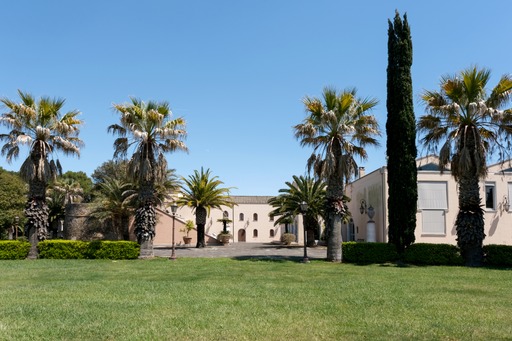
The tourist experience in the Campidano di Cagliari is not only linked to the monuments or beaches, but also to the local traditions,the food and wine offer and the community events that animate the area throughout the year. From village festivals to city events, up to cultural and artistic proposals in the neighborhood, this is a region where community life and cultural identity are intertwined with history and nature.
Away from mass flows, you can explore rural paths, green areas and natural spaces that dot the plain, discover the hills overlooking the sea and immerse yourself in landscapes where historical memory dialogues with a dynamic and creative present.
Plural and integrated tourist experience
The historical region of Campidano di Cagliari offers a plural and integrated tourist experience, capable of embracing the historical urbanity of Cagliari and its villages, the nature of the lagoons and the Molentargius-Saline Park, the beaches of the Tyrrhenian coast and the ancient testimonies of villages and prehistoric sites. It is an area where sea, history, nature and culture come together in a single narrative, offering possibilities for cultural, landscape and active tourism itineraries throughout the year.
