
Campidano di Oristano
A mosaic of history, nature and culture
The Campidano di Oristano is one of the most important historical-geographical regions of central-western Sardinia, characterized by a wide and fertile landscape, where cultivated plains, coastal ponds, wetlands and villages rich in history alternate.. The area was part of the Giudicato di Arborea in the Middle Ages, and its territorial texture reflects a long continuity of human settlement, evidenced by archaeological sites, medieval historic centers and rural villages.
The urban and monumental heart: Oristano
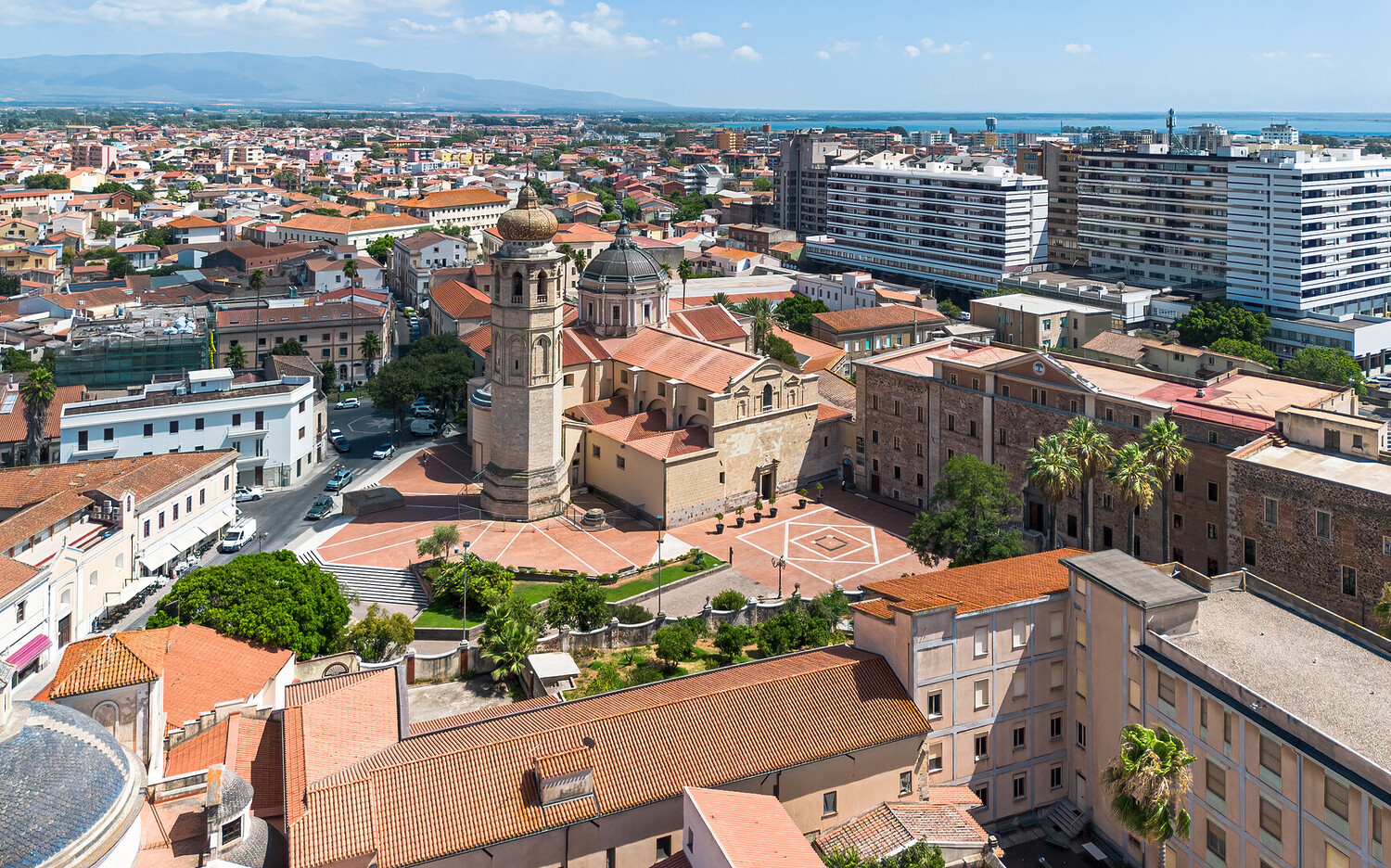
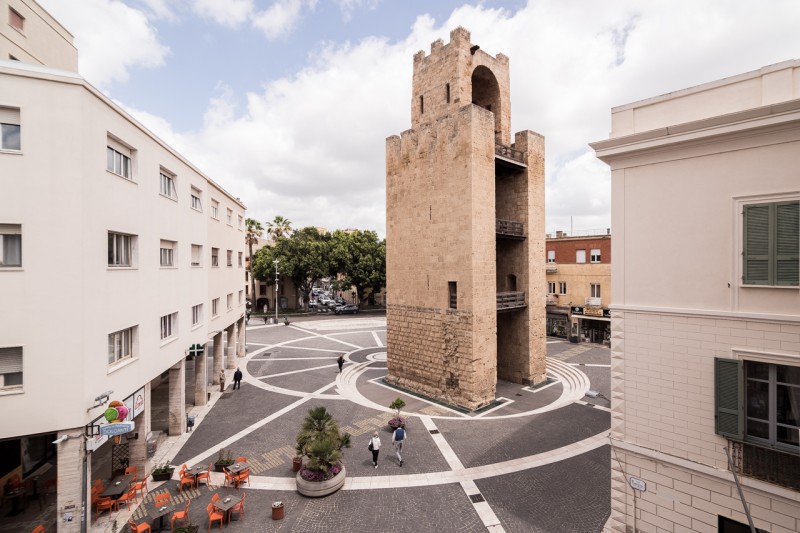
At the center of the area is Oristano, a city of ancient Nuragic origins and of great historical importance in the Middle Ages as the capital of the Giudicato d’Arborea. Its architectural and cultural heritage includes the Cathedral of Santa Maria Assunta, a significant example of religious architecture with roots dating back to at least the twelfth-thirteenth century, and numerous museums such as the Antiquarium Arborense and the Arborense Diocesan Museum that preserve artifacts from the Nuragic era to the medieval and modern periods.
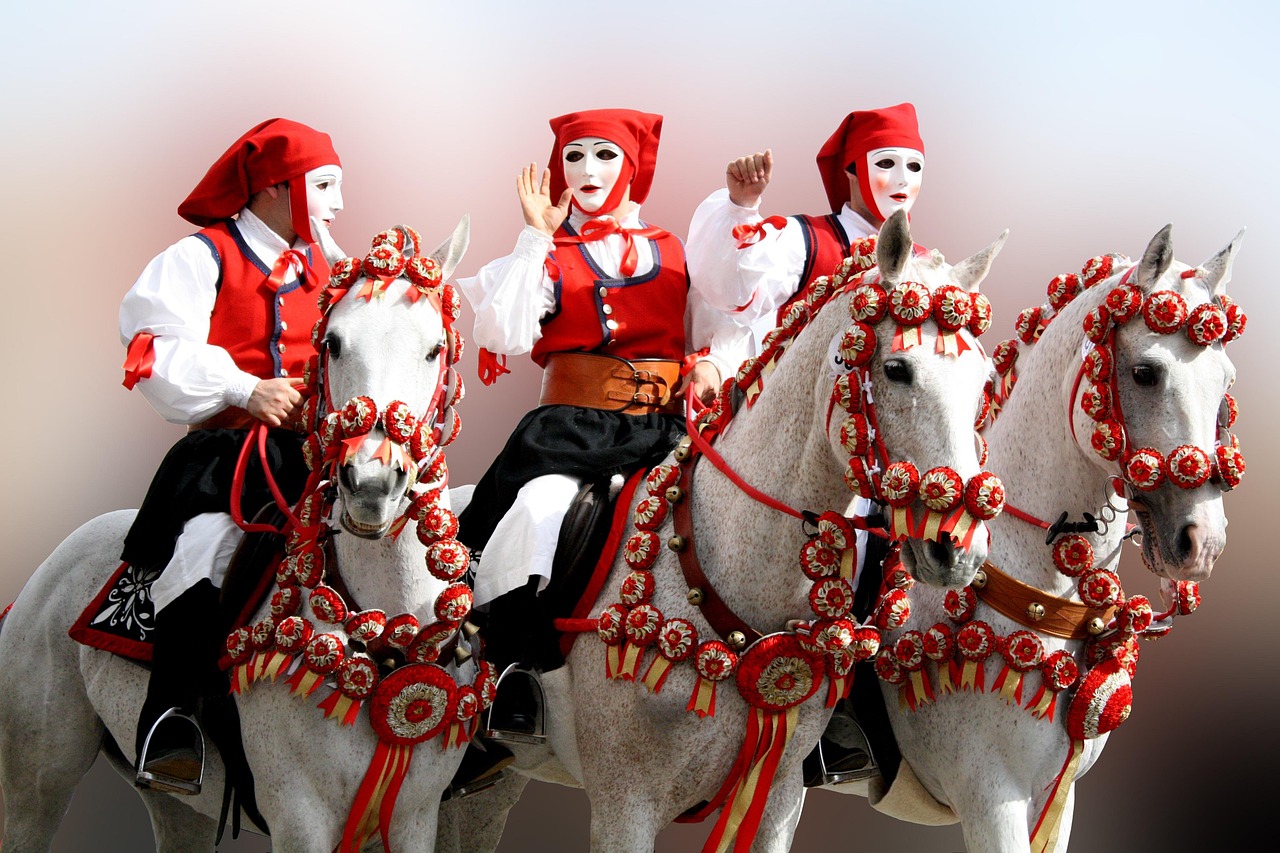
The city also transmits its history through events of great charm such as Sa Sartiglia, the equestrian joust of medieval origin that will animate the Carnival with a spectacular rite of courage and equestrian mastery, unique in its kind.
.
Comuni
❌ Nessuna località trovata per area ID 30423.
Archaeology and ancient evidence
The entire Campidano is enriched by a network of archaeological sites with traces of Nuragic, Roman and medieval settlements. In addition to the museum deposits of Oristano, in the surrounding area there are significant ancient testimonies: in several municipalities there are uraghi and domus de janas (such as the Crabia nuraghe near Bauladu), which tell of a Sardinia inhabited since prehistoric times.
Natural landscapes, ponds and wetlands
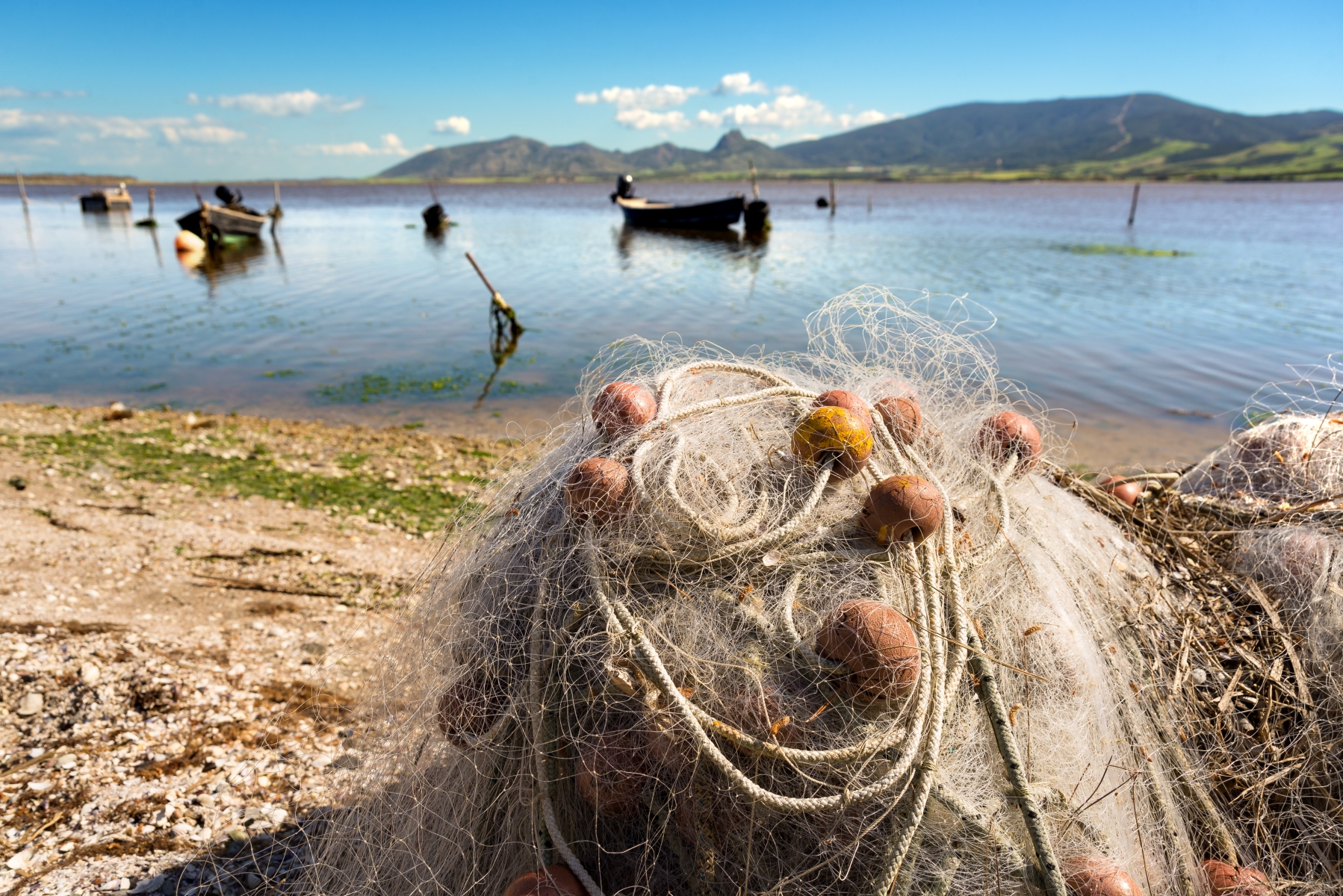
One of the most distinctive natural resources of the Campidano di Oristano is the presence of wetlands, ponds and coastal lagoons such as those of Cabras and Santa Giusta.. These environments are essential habitats for rare bird species and attract birdwatchers, hikers and wildlife photographers.
The territory extends towards the Gulf of Oristano, an inlet of the Sea of Sardinia that is characterized by its low and regular coastline and the presence of wetlands rich in biodiversity.
Coast, beaches and marine routes
Despite being an inland and flat region, the Campidano di Oristano is in close relationship with the coast and the marinas that surround it: the area of Cabras and Sinis, with sites such as San Giovanni di Sinis, represent access points to beaches, inlets and seaside places that are integrated with the archaeological heritage (such as Tharros, ancient Phoenician-Punic and Roman coastal city of great importance).
Villages, material culture and rurality
The Campidano preserves numerous historic villages and rural centers that reflect the evolution of the local culture: Arborea is a symbol of agricultural modernization and reclamation that in the twentieth century transformed the plain into one of the productive poles of the island's agro-industry.
Baratili San Pietro maintains links with the agricultural and winemaking tradition (such as the local Vernaccia, celebrated in community festivals), while Riola Sardo and Solarussa tell the story of the relationship between rural and community life with their squares, churches and urban fabrics.
Municipalities such asNurachi, Siamaggiore, Simaxis, Zeddiani and Siamanna offer glimpses of traditional architecture and moments of community life linked to festivals, religious festivals and food and wine activities. Along the entire Campidano, citrus groves, vineyards and wheat crops draw an agricultural landscape of great value.
Traditions and identity
The region maintains authentic forms of cultural identity linked to the pastoral and rural tradition, to the link with the land and to food and wine production (such as bottarga, a typical product derived from mullet fishing) which finds in markets and festivals an opportunity for meeting and collective promotion.
The Campidano di Oristano is a historical region full of meaning for those looking for an integrated tourist offer that combines ancient history, nature, humid landscapes, rural villages and cultural traditions.. The synergy between urban centers such as Oristano, the wetland nature reserves, the coastal environments connected to the archaeological sites of Sinis, and the agricultural villages on the ground floor makes this region a destination capable of offering diversified experiences — from cultural tourism, to nature, to food and wine — in a context of great Mediterranean authenticity.
