
Goceano
Mountains, valleys, history and ancient landscapes
The historical subregion of Goceano (in Sardinian Sa Costèra) is located in central-northern Sardinia, straddling the provinces of Sassari and Nuoro. It extends for about 480 km² along the upper basin of the Tirso River, on the edge of the mountain range that bears the same name as the region, with reliefs that exceed 1 200 m above sea level, including Monte Rasu and Punta Masiennera.
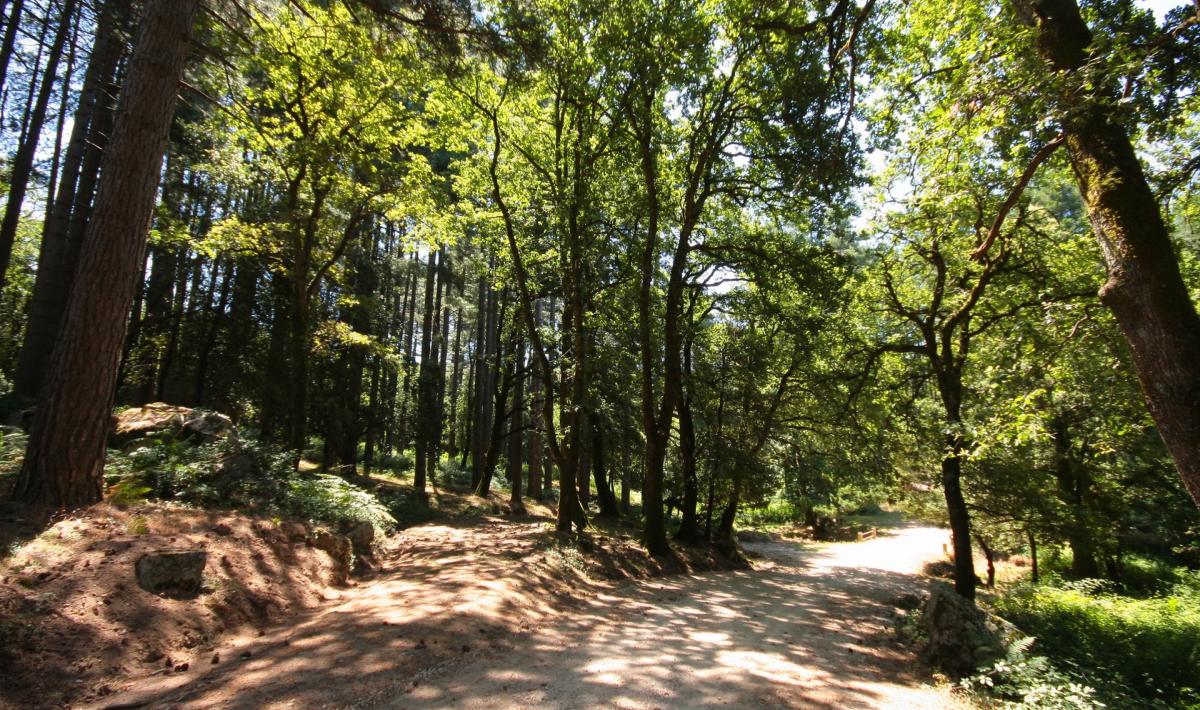
The natural environment of Goceano is characterized by mixed woods of holm oaks, cork oaks, oaks and chestnut groves, which constitute extensive wooded areas of great naturalistic interest. In particular, the presence of endemic Sardinian-Corsican species in the forests of the area testifies to a rich and still little anthropized ecosystem, integrating hiking trails with observation of biodiversity.
Archaeology and historical memory
The Goceano preserves a very dense network of prehistoric and Nuragic sites that illustrate a continuous human presence since the Neolithic. Among the most significant monuments:
- The Nuraghe Voes in Nule, one of the most impressive megalithic complexes on the island with an articulated trefoil structure and complex interior spaces.
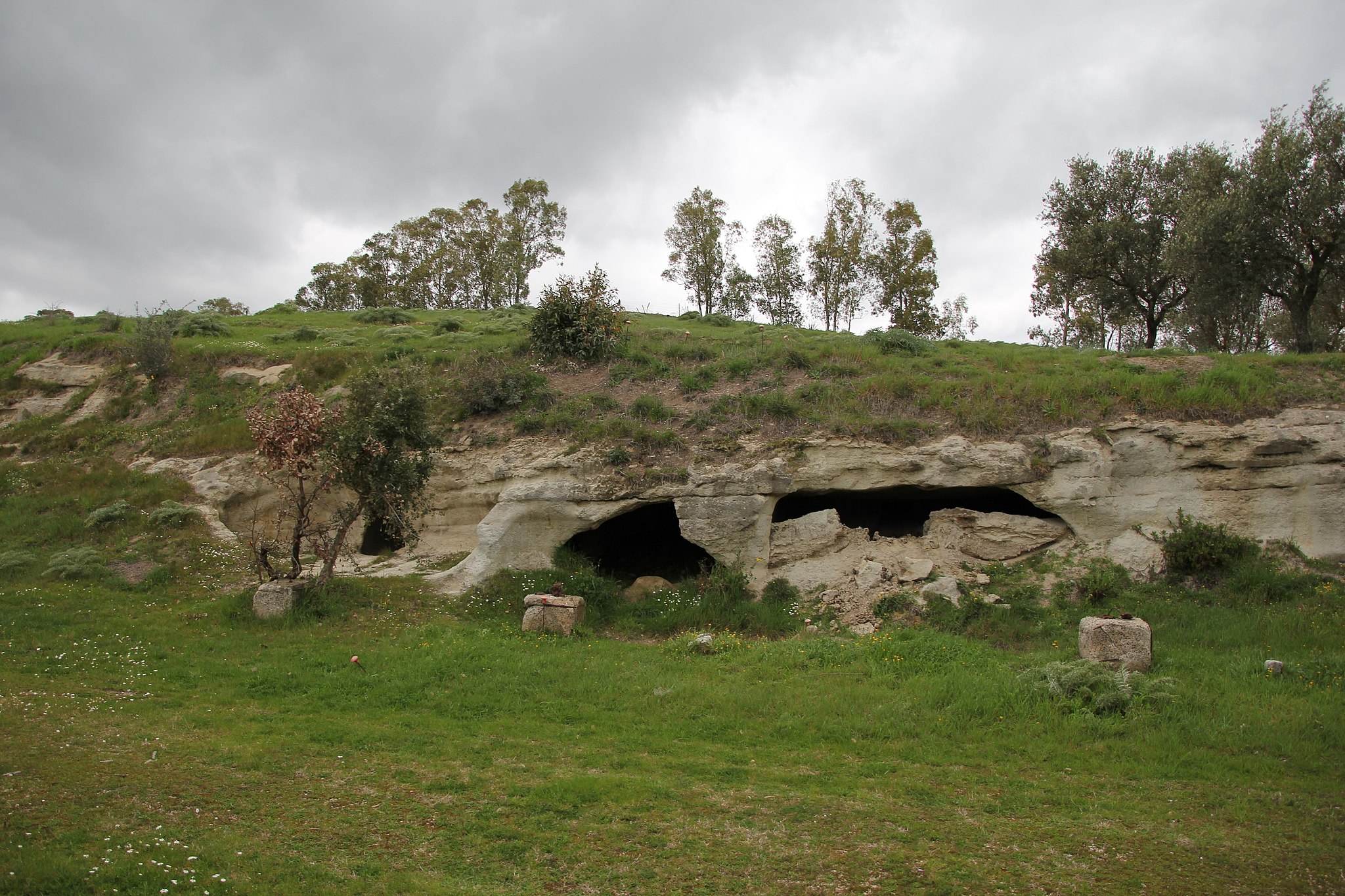
- The numerous domus de janas and necropolises present in the territories of Anela, Benetutti, Illorai and other settlements, archaeological evidence that return funerary ritual uses and popular settlements since prehistoric times.
- Remains of Nuragic villages and traces of huts for residential use, indicative of the spread of complex settlements in the area, often located between valleys and plateaus.
This archaeological richness allows us to read the Goceano not as a peripheral area, but as a container of cultures that have followed one another for millennia, integrating the natural landscape with the material testimony of ancient communities.
Comuni
❌ Nessuna località trovata per area ID 30434.
Rural landscapes and living nature
Along the valleys shaped by the Tirso and on the highest slopes, the region offers rural panoramas of great charm, where the intertwining of nature and traditional agriculture has given shape to a territory deeply marked by pastoralism, cereal cultivation and life linked to the mountains.
The Goceano is also crossed by the Marghine-Goceano Park, an area identified as a pole for the conservation of natural resources in the Sardinia Region. This park includes important wooded extensions and maintains important environmental and landscape values, although it has not yet been formally established as an institution.
Historical architecture and cultural traditions
In the heart of the region stands the Goceano Castle, located near Burgos: a medieval fortification erected in the first half of the twelfth century by the judge of Torres for the strategic control of the valley. Its panoramic position on a granite cliff makes it a particularly significant historical symbol, witness to feudal events, the struggles between the Giudicati and, later, the Genoese, Aragonese and Arboreal dominations on the island.
In addition to the great history of the castle, Goceano also preserves ancient religious architecture such as the Church of San Saturnino di Usolvisi in Bultei, a building of Romanesque origins built in the eleventh century on a Nuragic nucleus, which expresses the deep intertwining of faith, history and pagan matrix of the territory.
Villages, craftsmanship and living identity
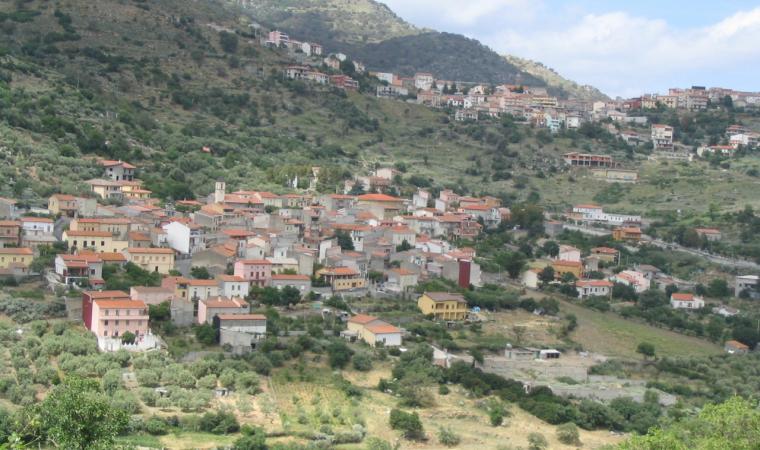
The natural capital of the area is Bono, a center that is still a commercial and administrative hub of the valley, characterized by ancient urban centers immersed in the Sardinian mountain landscapes.
Other important centers such as Benetutti, Bultei, Anela, Esporlatu and Illorai participate in the local culture through craft and textile traditions — in particular the production of fabrics and carpets with complex weave typical of Nule, which have been an integral part of the local heritage for centuries — and the preservation of festivals, festivals and rituals related to the rural calendar and pastoralism.
Slow and deeply cultural tourism
Goceano is a region that offers deep and slow cultural tourism, perfect for those looking for intact natural contexts, widespread archaeology, medieval history and villages that retain an authentic identity.. The combination of wooded landscapes, river valleys, megalithic archaeological sites, historic fortresses and artistic and textile productions makes this sub-region an attractive destination for thematic and integrated discovery routes.
