
Guilcer
Basalt nature, thousand-year-old archaeology and historic communities
The historical sub-region of Guilcer extends into central Sardinia, in the province of Oristano, bordering to the south with Campidano, to the north with Marghine and to the west with Barigadu. It is an area characterized by a basaltic plateau crossed by the Tirso river, by the vast Lake Omodeo on the slopes of which towns and villages develop, and by a rural landscape in which basalt stone dominates the local architecture and the visual identity of the historic centers.
A widespread and important archaeological heritage
One of the most relevant aspects of the Guilcer is the remarkable concentration of archaeological sites that tell the story of human presence since prehistoric times. Among these, the Nuraghe Losa in the territory of Abbasanta stands out, one of the most important Nuragic complexes in Sardinia, with a central tower and three bastions that testify to the architectural evolution of the Nuragic communities of 3,000 years ago.
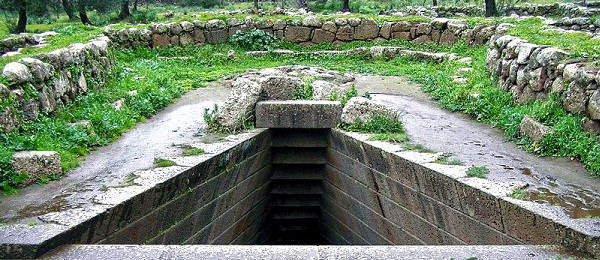
Along the plateau there are numerous other towers and Nuragic complexes, as well as domus de janas (the so-called “fairy houses”), tombs of the giants and betili — ritual elements of the Nuragic culture distributed in the territories of Abbasanta, Aidomaggiore, Norbello and Paulilatino.. In the territory of Paulilatino, at the archaeological area of Santa Cristina, there is a Nuragic well temple surrounded by village structures, a highly evocative site that combines sacred architecture and human settlement.
This widespread monumental plot not only highlights the historical depth of the area, but allows you to read the cultural and ritual evolution of ancient communities through archaeological soils that can be widely visited, discovery circuits and dedicated cultural routes.
Comuni
❌ Nessuna località trovata per area ID 30442.
Ghilarza — history, museums and community life
The village of Ghilarza, located in the heart of the Guilcer, is a center rich in historical and cultural attractions. Here is the Antonio Gramsci House Museum, where the famous intellectual lived part of his childhood and adolescence, today an important stop for those who want to understand a fundamental aspect of Italian cultural history through the places that saw the formation of one of the most influential thinkers of the twentieth century.
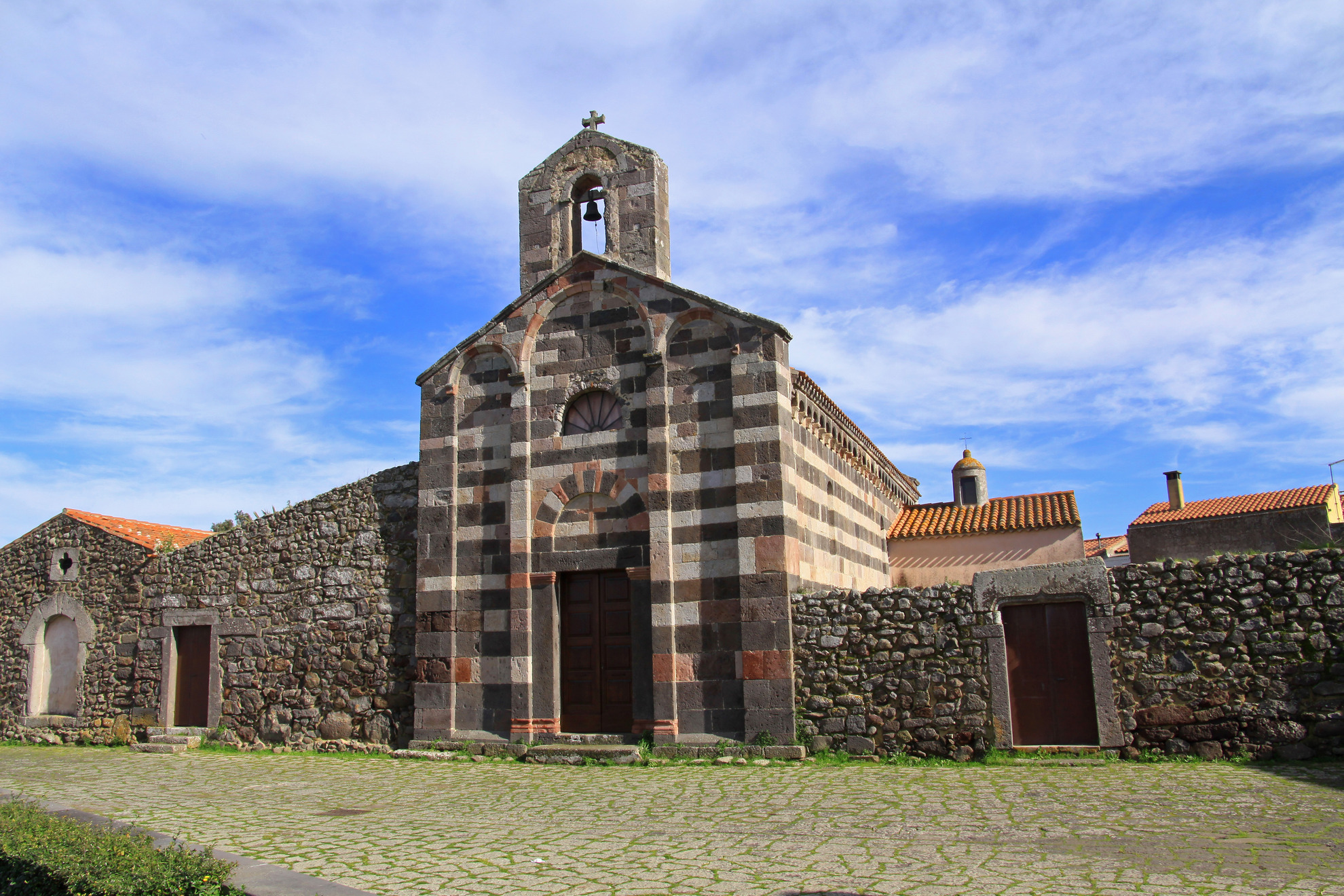
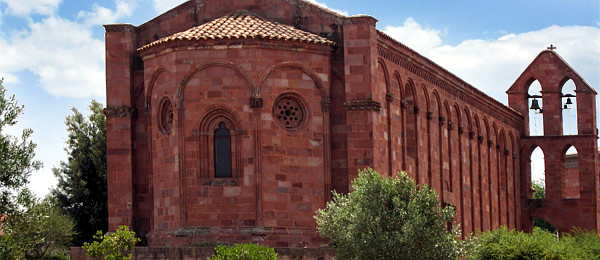
Ghilarza also preserves historic churches such as the Church of San Giovanni Battista and the Church of San Michele in the surrounding area, places that testify to the long religious and community tradition of the area and that host festivals and novenas of communities that are still alive today.
Villages, nature and rural landscape
he villages of Abbasanta, Aidomaggiore, Boroneddu, Norbello, Sedilo, Soddì and Tadasuni are examples of rural villages that reflect the area's long agricultural and pastoral history. The basalt stone houses, the small and welcoming squares, the parish churches and the rural paths create a human landscape deeply linked to the land and the seasons.
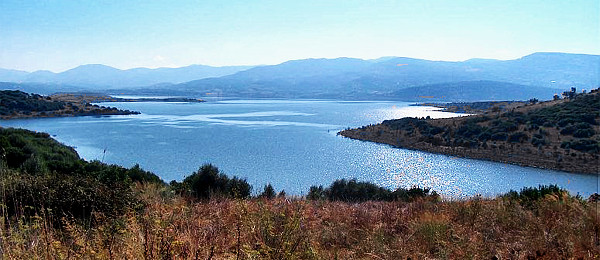
The presence of Lake Omodeo nearby, although shared with Barigadu, is a natural element of great charm that enriches the landscape and offers opportunities for slow activities, such as nature walks, birdwatching along the shores and itineraries of environmental discovery. The lake, created by the Tirso dam, was in the past the largest artificial basin in Europe and remains one of the environmental symbols of the area.
Popular traditions and community events
In the territory of Guilcer there are living forms of material and intangible culture linked to the cycle of the seasons, popular religiosity and traditional community practices. Among these, the feast of the Ardia di San Costantino in Sedilo is an event of great appeal that combines rituals, popular horsemanship and collective memory, celebrating stories, myths and local identities every year with great participation.
A territory of great stratification
The Guilcer Historical Region emerges as a territory with a strong cultural identity, where nature, archaeology, history and community are intertwined in an integrated offer of experience. From the imposing Nuragic testimonies to the rural villages in basalt stone, from the house museum of a modern thinker to the popular festivals that still animate the squares, the Guilcer is an ideal destination for those looking for deep slow cultural tourism oriented towards the sensory discovery of the places.
