Marmilla
The archaeological and landscape heart of rural Sardinia
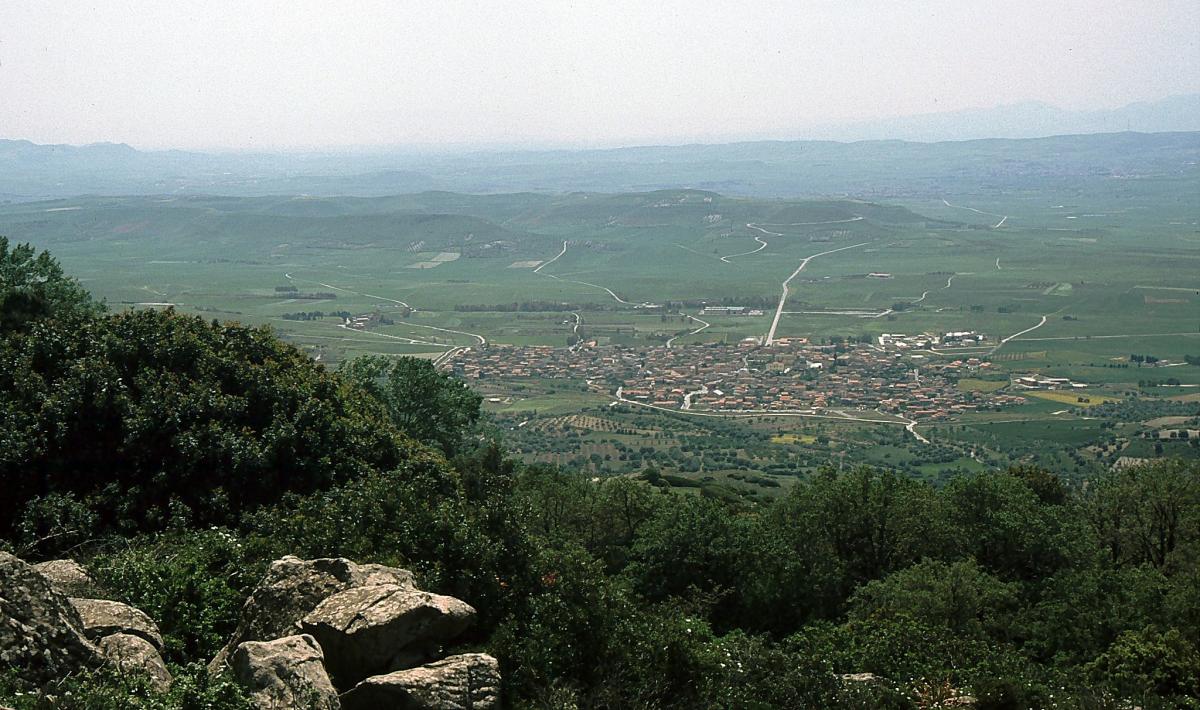
Marmilla is a historical-geographical sub-region that extends in the center-south of Sardinia between basaltic plateaus, rolling hills, vast agricultural expanses and natural reliefs.. Its name probably derives from the conformation of the hills that resemble a harmonious and gentle profile, and the territory has always been a crossroads of civilization, environment and popular culture.
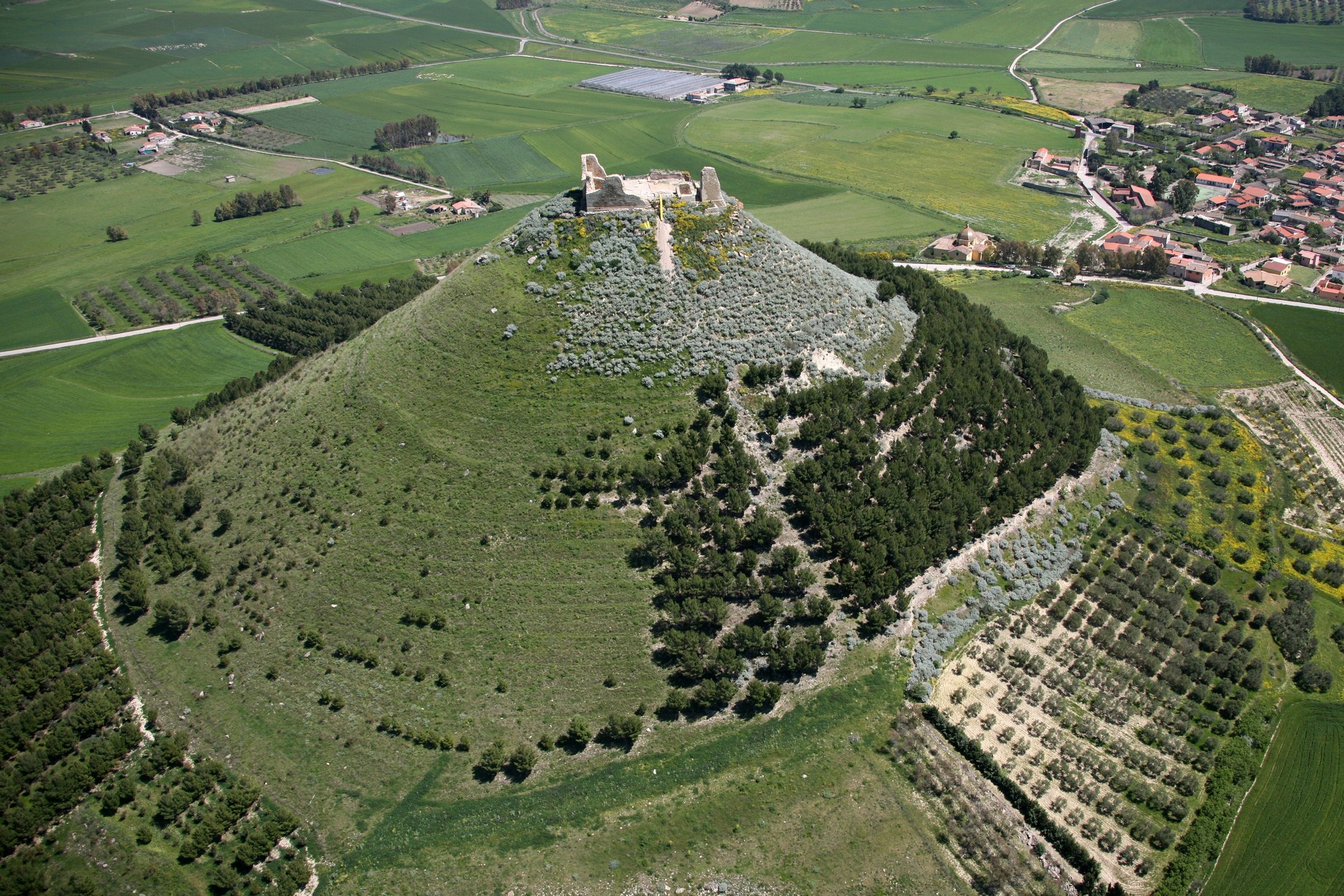
This landscape offers a mosaic of experiences: from prehistoric archaeological sites to medieval testimonies of religious and civil architecture, from forests and natural plateaus to authentic-looking and often little-known rural villages.
Unique archaeological heritage in the world
The most prestigious symbol of Marmilla is undoubtedly the archaeological area of Su Nuraxi in Barumini, declared a World Heritage Site by UNESCO.. It is considered the most important and best preserved Nuragic complex in Sardinia, with a central tower, a four-lobed bastion and a village of huts that testifies to about a thousand years of history (from the Middle Bronze Age to the Roman age).
Around this site, in an area rich in basalt and nature, there is a widespread system of prehistoric monuments: numerous nuraghi, tombs of the giants, domus de janas (underground burials) and ritual structures found in many of the localities of the Marmilla — from Asuni to Morgongiori, from Pompu to Serri and Villanovaforru — which tell the story of human presence since the Neolithic and testify to a long and complex cultural evolution.
The archaeological sites in the area also include the nuraghe of Cuccurada in Mogoro and Nuragic complexes such as that of Genna Maria (in Villanovaforru), which further enrich the cultural offer and allow the reading of the landscape as a widespread museum of stone and history.
as.
Comuni
❌ Nessuna località trovata per area ID 30468.

Nature, landscapes and exceptional environments
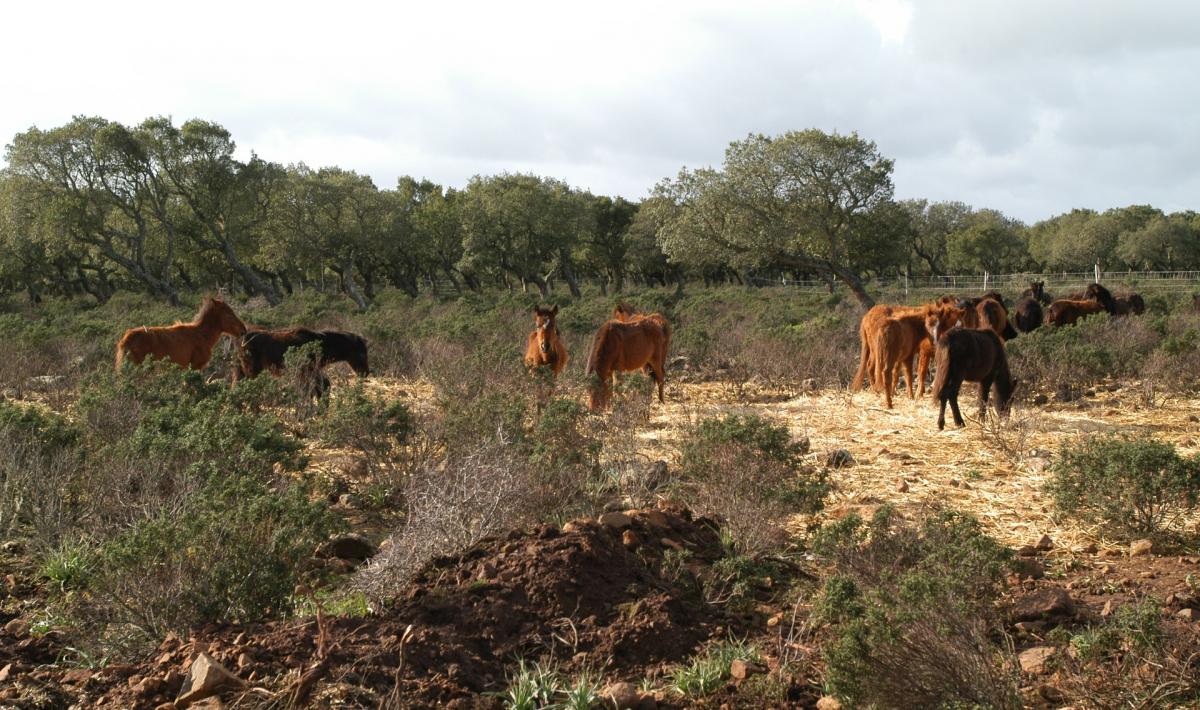
Marmilla is not only a witness to ancient civilizations, but also a natural environment of great charm.. The Giare di Gesturi and Serri are basaltic plateaus characterized by a unique ecosystem and the presence of the famous Giara horses, small wild horses considered true naturalistic symbols of the island. The gorges, forests and grasslands allow for trekking, walking and observation of Mediterranean fauna and flora.
The area also includes reliefs such as Monte Arci, famous in prehistoric times for its obsidian quarries — the "black gold" of ancient Sardinia — which were the subject of trade with Corsica, northern Italy and Provence.
Historic villages, rural culture and architecture
The territory is dotted with characteristic villages and well-preserved historic centers.. Places such as Ales, Baradili, Baressa, Collinas, Tuili, Turri, Ussaramanna and many others offer glimpses of traditional architecture, ancient churches, intimate squares and an urban texture recognizable for authenticity and historical legibility.
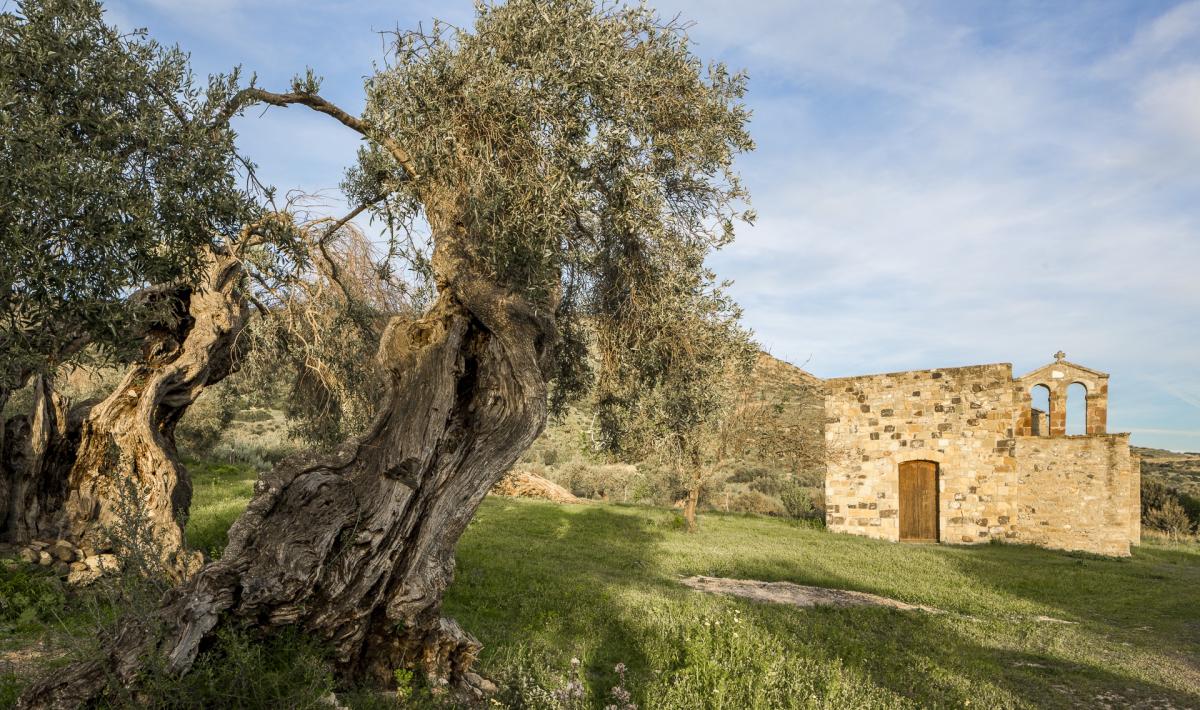
These villages preserve in their churches and local museums testimonies of sacred art, Romanesque and Gothic religious architecture, as well as vestiges of historical peasant life, such as utensils, clothes and furnishings related to the agro-pastoral culture.
Traditions, identity and material culture
Marmilla is also a land of living traditions and popular identities.. The patron saint festivals, festivals, seasonal events and religious celebrations tell the deep relationship between community, territory and agricultural cycles. In many places — for example Ales, Gesturi or Siddi — local customs linked to peasant culture, popular devotion and cereal and oil harvesting practices are preserved.
The rural architecture, the traditional use of materials (basalt, stone, wood) and local productions (bread, cheese, wines, etc.) complete the visit experience, making evident the deep link between community life and man-made landscape.
An integrated offer of tourist experience
Overall, the Historical Region of Marmilla is a destination that combines:
- an archaeological heritage of international level with sites such as Su Nuraxi UNESCO World Heritage Site;
- unique natural environments such as the Giare and Monte Arci;
- historic villages intensely linked to rural culture;
- A living community tradition made up of festivals, festivals and material identity.
This land is ideal for cultural, naturalistic and slow tourism, which invites the visitor to discover layers of history, to immerse themselves in unspoiled Mediterranean landscapes and to live the experience of local communities in a context of great authenticity.