Nurra Sassarese
Nature, history and sea in the north-west of Sardinia
Nurra is one of the largest and most fascinating historical-geographical regions of Sardinia. Located in the extreme northwest of the island, this vast coastal plain overlooks the Gulf of Asinara and extends from the inland hilly areas towards the sea, embracing natural environments of great beauty, ancient cities and seaside resorts symbol of the Sardinian coast.
The Nurra is, in essence, a dynamic transition territory between sea and land: here the Mediterranean scrub, dunes, beaches and cliffs coexist with natural islands, archaeological sites, historic villages and testimonies of ancient civilizations.
Sassari — urban history, art and cultural identity
In the heart of the Nurra lies Sassari, the second largest city in Sardinia in terms of demographic and cultural importance. Probably founded in medieval times on a plateau that slopes down to the sea, Sassari has a historic center full of historical monuments, churches and palaces that testify to the stratification of architectural styles and the cultural vitality of the city.
Among the symbolic places is the Cathedral of San Nicola, with its Gothic-Baroque architecture, and the famous Rosello Fountain, an elegant Renaissance monument that has become an urban symbol. The city also offers museums, art spaces and material culture itineraries that tell a deep story of connections between Sassari and the rest of the island, including relations with Roman antiquity and Mediterranean civilizations.
Sassari is also a cultural and geographical junction: from here you can easily reach the coast, wetlands such as Platamona beach and the natural areas that border the sea and the plain.
Comuni
❌ Nessuna località trovata per area ID 30547.
Porto Torres — between archaeology, Roman history and coastal nature
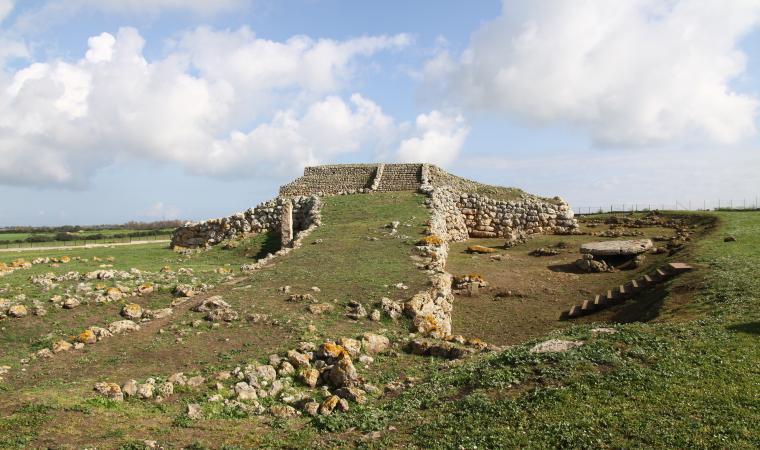
Overlooking the Gulf of Asinara, Porto Torres is a port city of great historical importance, founded in ancient times as a Roman colony under the name of Turris Lybisonis. Its position on the sea and on the Nurra plain has favored a thousand-year history testified by archaeological remains of great value, such as the Roman urban area, roads, walls and public structures that emerged in the excavations and told in the city museums.
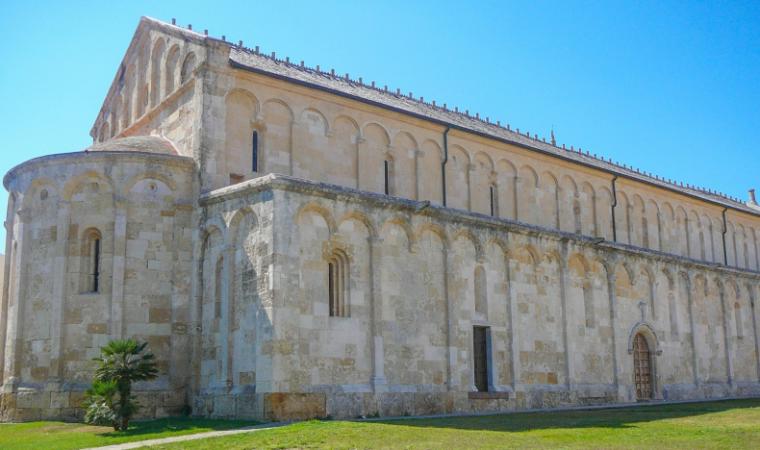
One of the most significant monuments is the Basilica of San Gavino, one of the most important Romanesque-premenestral buildings in Sardinia, built between the eleventh and twelfth centuries and linked to the memory of the local patron martyrs.
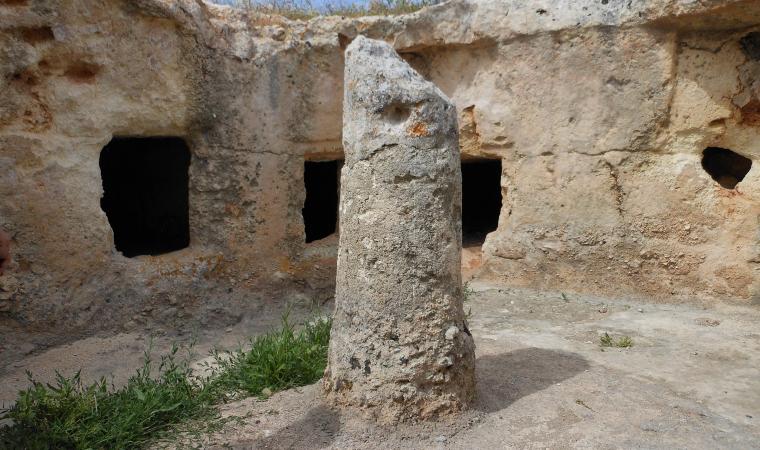
Porto Torres also preserves traces of the prehistoric and protohistoric era with the Necropolis of Su Crucifissu Mannu, a funerary complex with numerous domus de janas carved into the rock dating back to the Neolithic and Copper Age, a sign of the depth of human presence in this region.
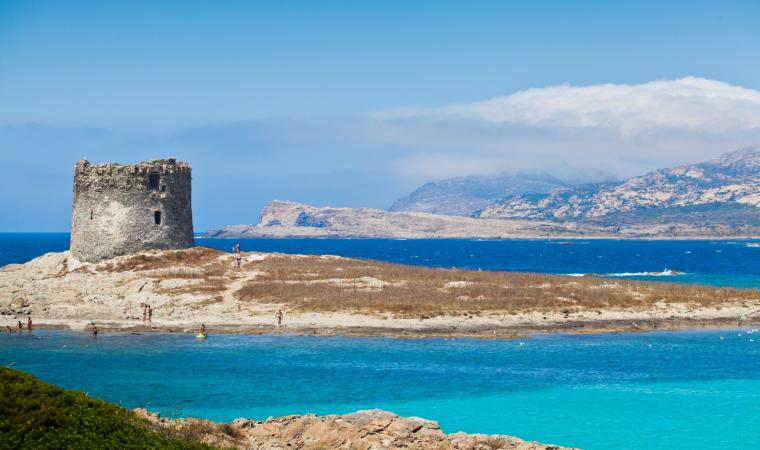
Along the coast, sandy beaches and pebble coves alternate, including the famous Balai beach, and you can admire remains such as the Aragonese Tower, an ancient defensive structure transformed into a lighthouse and now an exhibition space.
The cultural experience is completed by the National Archaeological Museum Antiquarium Turritano, which preserves materials found in the numerous archaeological areas of the urban area, offering an in-depth reading of the life and historical stratifications of Porto Torres.
Stintino — crystal clear sea, iconic beaches and maritime traditions
At the northern end of the Nurra is Stintino, a village of maritime tradition that overlooks a spectacular stretch of coastline. Here the fame is linked above all to the Pelosa Beach, famous for its white sand, turquoise waters and shallow waters, one of the most famous landscape symbols of the entire Mediterranean.
The lagoon and the surrounding coasts, rocky promontories and coves are ideal environments not only for swimming and sailing, but also for coastal paths, hiking along breathtaking views and moments of naturalistic observation.
Stintino also retains a strong identity linked to fishing and the gastronomic traditions of the sea: the local cuisine has always celebrated fresh fish, such as sea urchins, tuna and bottarga, in dishes that tell the story of generations of fishermen.
La Nurra — a territory between nature and culture
The Nurra as a whole is not only the "container" of urban centers and beaches, but a true environmental and cultural mosaic. The region extends over a coastal plain interspersed with rolling hills, ponds, dunes and Mediterranean forests, offering diversified environments that dialogue with each other: from the wetlands of Platamona to the coastal paths, from the rock formations to the cultivated inland areas, up to the wooded belts that connect Sassari to the coast.
Much of this wealth can be read starting from the traces of the Island of Asinara, now a national park, reachable by short ferry crossings from Porto Torres and Stintino, and which constitutes a natural and faunal heritage of Mediterranean importance.
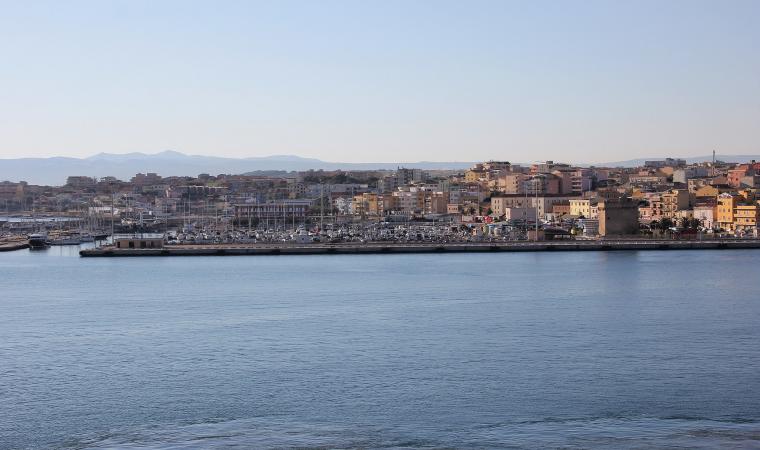
Landscapes and antropical resources
The historical region of Nurra Sassarese is an articulated territory extraordinarily rich in history, nature and culture, in which sea, archaeology, historic villages and rural landscapes intertwine in a single story. From Sassari — a city of historical and artistic depth — to Porto Torres with its ancient roots and Roman remains, to the iconic beaches of Stintino and the natural landscapes of the coast and plain, this area is a destination that speaks as much to the curious traveler as to the sensory explorer.