
Sarcidano
A plateau of water, stone and memory
Sarcidano is a historical-geographical region in the central-southern interior of Sardinia, characterized by a “plateau” of gentle reliefs and large spaces of countryside that extend between forests, lakes, waterways and archaeological sites of great value. This natural borderland between the southern Campidano and the hinterland of Barbagia is a deep landscape, where nature, history and community are intertwined in cultural, ecotourism and experiential routes.
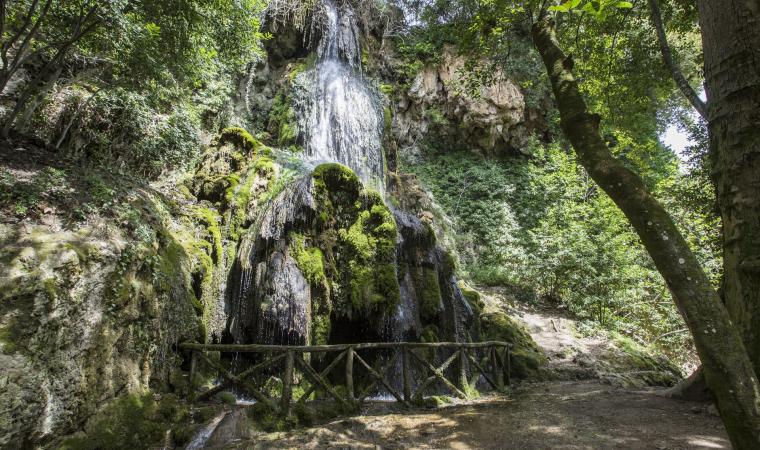
Nature of water and forests: the great Sarcidanese landscape
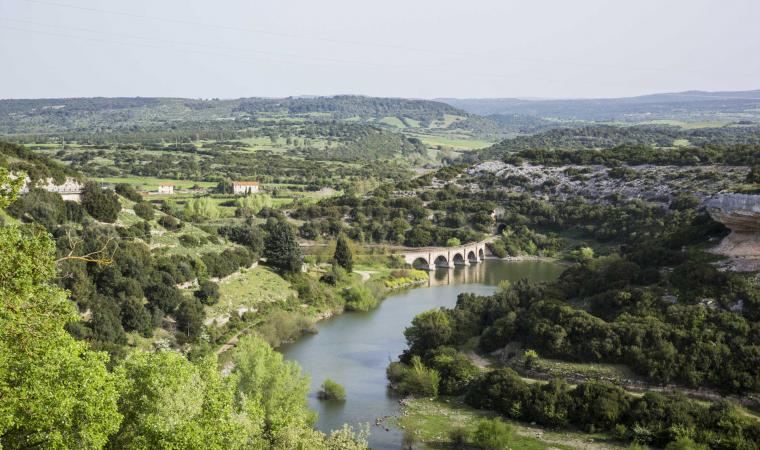
One of the most distinctive characteristics of Sarcidano is the presence of artificial water basins and waterways that shape its landscape, such as Lake San Sebastiano near Isili or the lakes of Mulargia and Flumendosa, which are fundamental elements not only for agriculture but also for active tourism activities such as canoeing, sport fishing, trekking and mountain biking.
The hills and woods of oaks, holm oaks and Mediterranean scrub that surround these bodies of water offer evocative environments for nature excursions, birdwatching and observation of local fauna, enhancing an experience of slow tourism integrated with nature.
Comuni
❌ Nessuna località trovata per area ID 30579.
Ancient testimonies and cultural landscapes
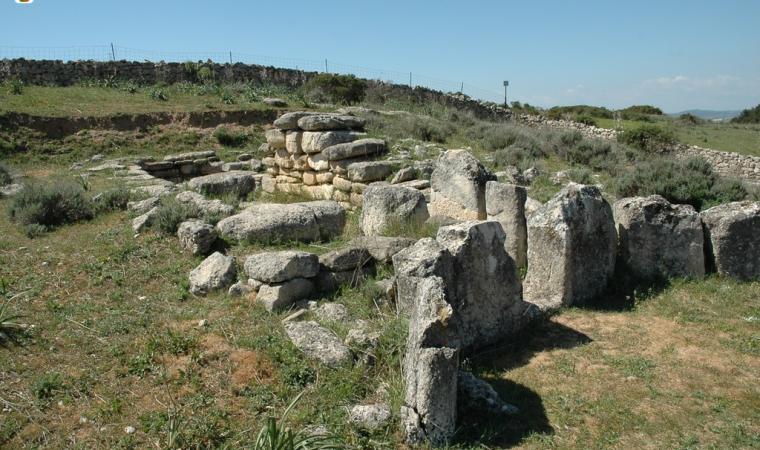
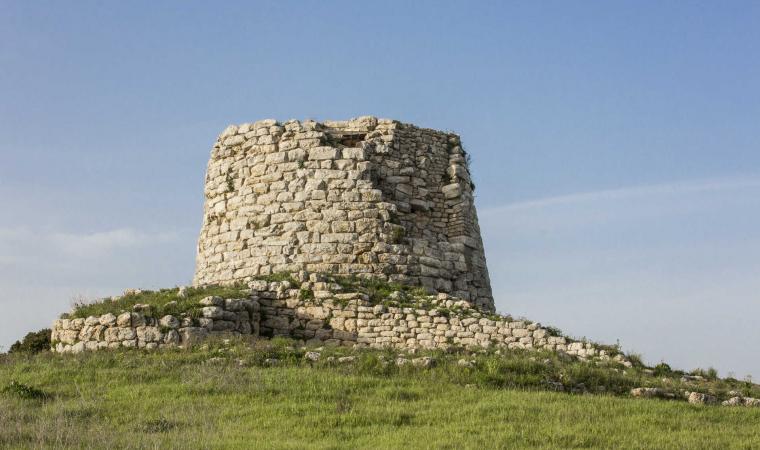
The historical memory of Sarcidano is deeply rooted in the Nuragic, Pre-Nuragic and Roman archaeological sites that dot the territory. In Isili, the Nuraghe Is Paras is one of the most significant monuments of the Bronze Age: a three-lobed Nuragic complex with an internal tholos chamber of extraordinary height and monumentality, which dominates the surrounding area with its majesty.
Not far away, in the perimeter of the hills and countryside, there are sacred wells, domus de janas and ancient villages, while near Nurallao there are testimonies of tombs of the giants and lesser-known but equally evocative archaeological areas.
These sites, inserted in a rural landscape still marked by traditional agro-pastoral activities, tell the story of the long span of human presence in this area: from the Nuragic communities of over three thousand years ago to Roman and medieval settlements.
Museums, art and historic architecture
In the heart of the villages, the cultural heritage is completed with more recent testimonies. In Laconi, for example, the Civic Archaeological Museum of the Menhir Statues houses one of the most important collections of statue-menhirs on the island, unique finds that tell the story of the megalithic and symbolic stratifications of the territory.
Alongside these collections, the civil and religious architecture of the historic centers — centuries-old churches, palaces and traditional urban centers — constitutes a widespread heritage that enriches the visitor's cultural experience, marking the passage of historic communities through the centuries.
Traditions, crafts and material culture
Sarcidano has a long tradition of craftsmanship and agriculture that is reflected in community activities and material culture: from breeding and processing dairy products to cereal and wine agriculture, up to the practices of copper and fabric processing in Isili, which preserves traces of the historic artisanal production of metal and fabric in its urban fabric.
These activities are not mere remnants of the past, but an integral part of the local identity, transmitted through festivals, markets, processions and festivals that celebrate seasonal cycles, local products and community relations.
Experiential paths and itineraries
The potential of Sarcidano as an integrated destination is also expressed through a network of thematic and cycle paths that connect the main landscape and cultural attractions. Itineraries such as the Clay Ring cross forests, kaolin quarries and ancient paths between Laconi, Nurallao and Nuragus, offering a dynamic way to explore the region through the lens of ecotourism and slow tourism.
An experience of cultural and slow tourism
Sarcidano is not a territory of isolated monuments, but a complex and interdependent landscape where nature, history and material culture come together in experiences of profound discovery. Here the visitor can connect with:
- the ancient history of the Nuragic and Roman civilizations through monuments and archaeological sites;
- the collective memory preserved in museums and villages;
- the living nature of the woods, lakes and hills;
- the traditional practices that still animate the communities and their relationship with the territory.
In this sense, Sarcidano offers a powerful narrative framework for sustainable cultural tourism, capable of enhancing local resources, community identities and fruition paths that link history, landscape and experiential innovation.
