
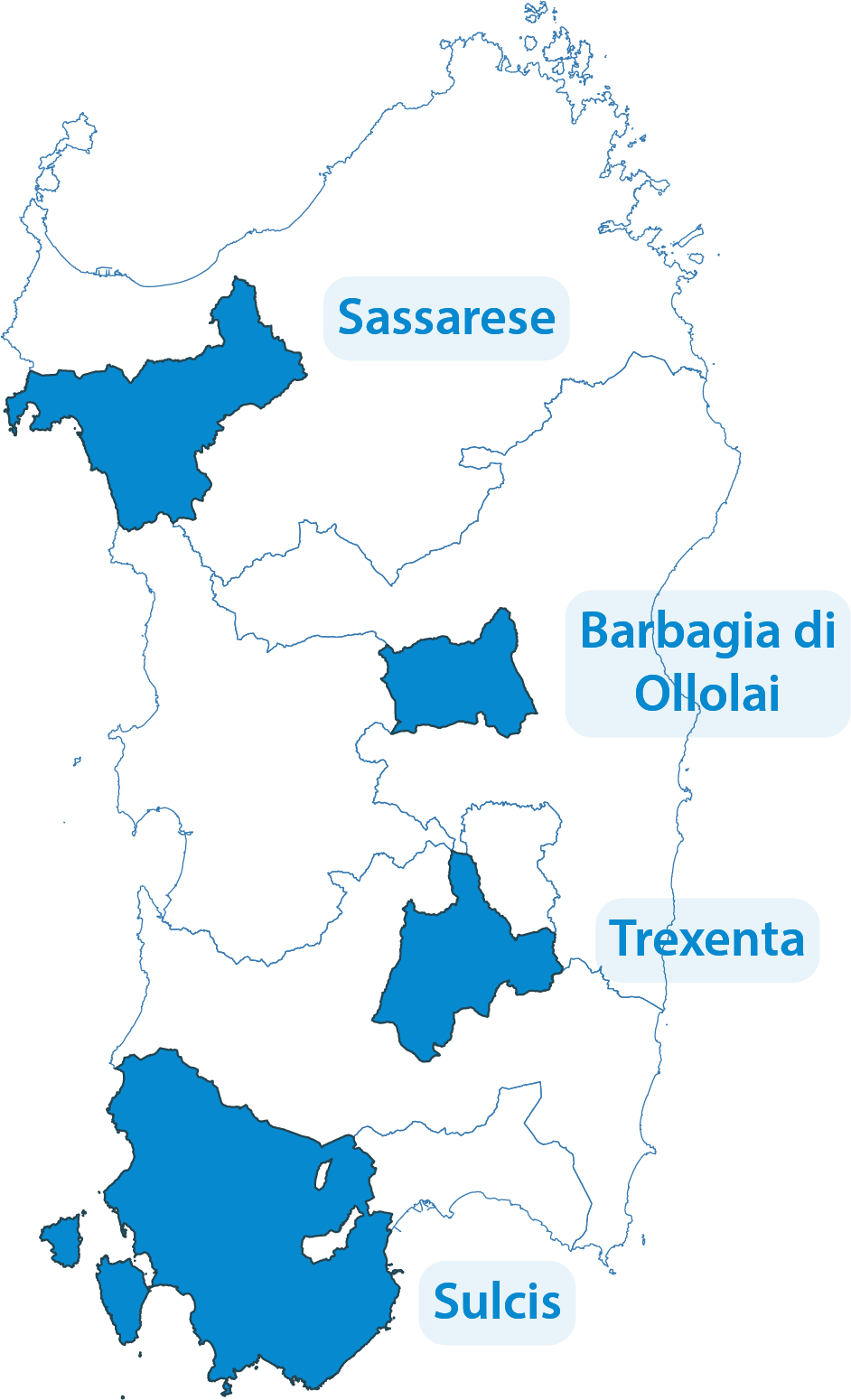
The selection of the four sample areas was based on a methodology that considered several factors:
- Geographical representativeness: distribution of areas at different cardinal points of the island to ensure a balanced territorial coverage
- Diversification of tourism conditions: inclusion of areas with different levels of tourism development (high, medium, low) and different types (coastal, inland)
- Adherence to historical regions: compliance with the requirement to coincide with Sardinia’s historical regions
- Potential for root tourism: assessing the presence of communities with emigration history and maintaining ties with emigrant descendants
- Complementarity: selection of areas that, taken together, provide a representative picture of the different realities of Sardinia
Sulcis
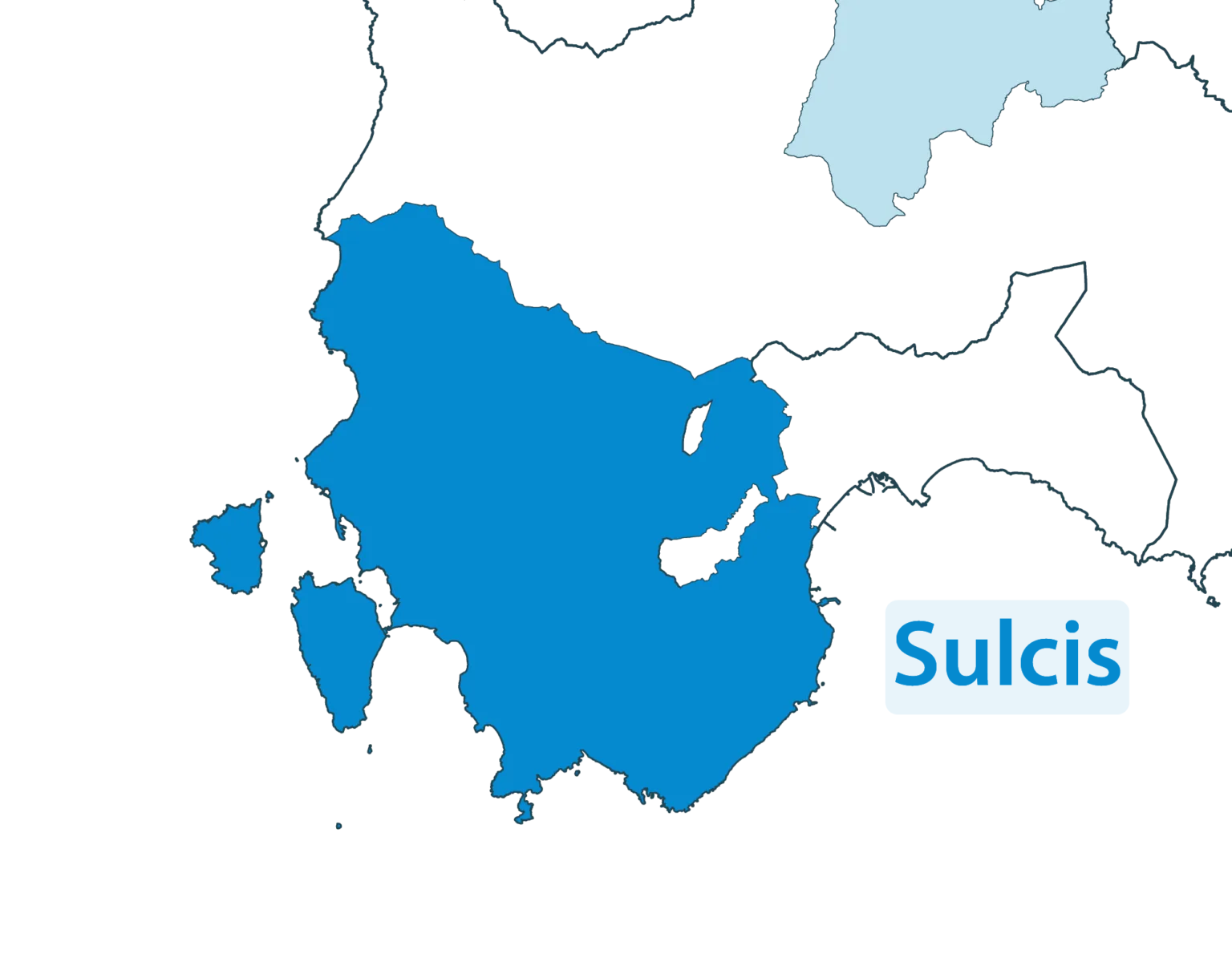
Sulcis-Iglesiente is a historical region located in the southwestern part of Sardinia. It includes both coastal areas and mountainous inland areas. The region has historically been characterized by mining, which has shaped the local landscape and culture.
It also includes the islands of San Pietro and Sant’Antioco, which are home to communities of Ligurian origin.
Municipalities: Buggerru, Calasetta, Capoterra, Carbonia, Carloforte, Domus de Maria, Domusnovas, Fluminimaggiore, Giba, Gonnesa, Iglesias, Masainas, Museums, Narcao, Nuxis, Perdaxius, Piscinas, Portoscuso, Pula, San Giovanni Suergiu, Santadi, Sant’Anna Arresi, Sant’Antioco, Sarroch, Siliqua, Teulada, Tratalias, Uta, Villa San Pietro, Villamassargia, Villaperuccio, Villaspeciosa.
Trexenta
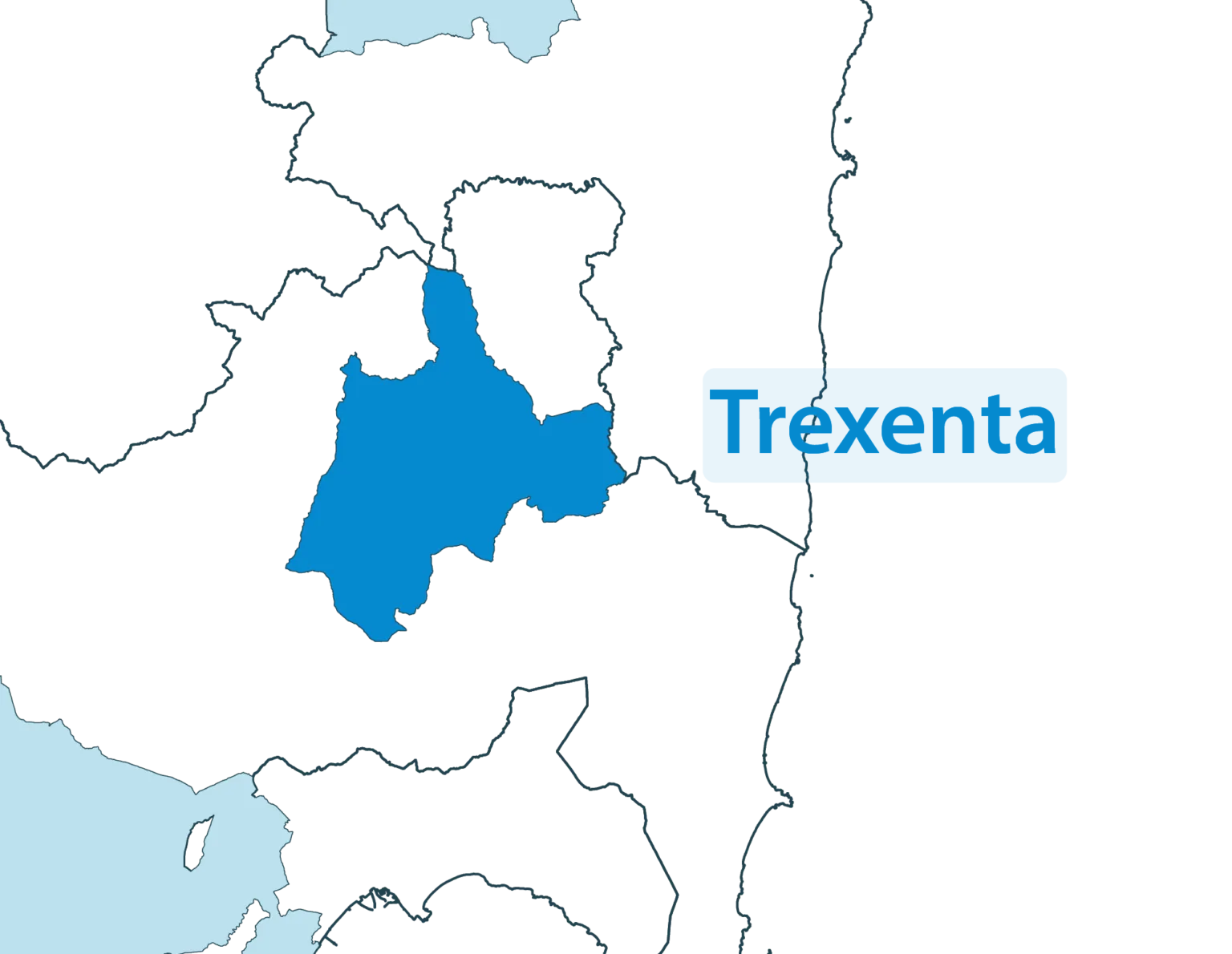
Trexenta is a historical region located in the south-central part of Sardinia.It is a fertile plain considered one of the island’s “granaries” since ancient times. The area is rich in archaeological evidence of thousands of years of human occupation.
Municipalities: Barrali, Escalaplano, Escolca, Gergei, Gesico, Guamaggiore, Guasila, Mandas, Nurri, Orroli, Ortacesus, Pimentel, Selegas, Senorbì, Serri, Siurgus Donigala, Suelli, Villanova Tulo.
Barbagia di Ollolai
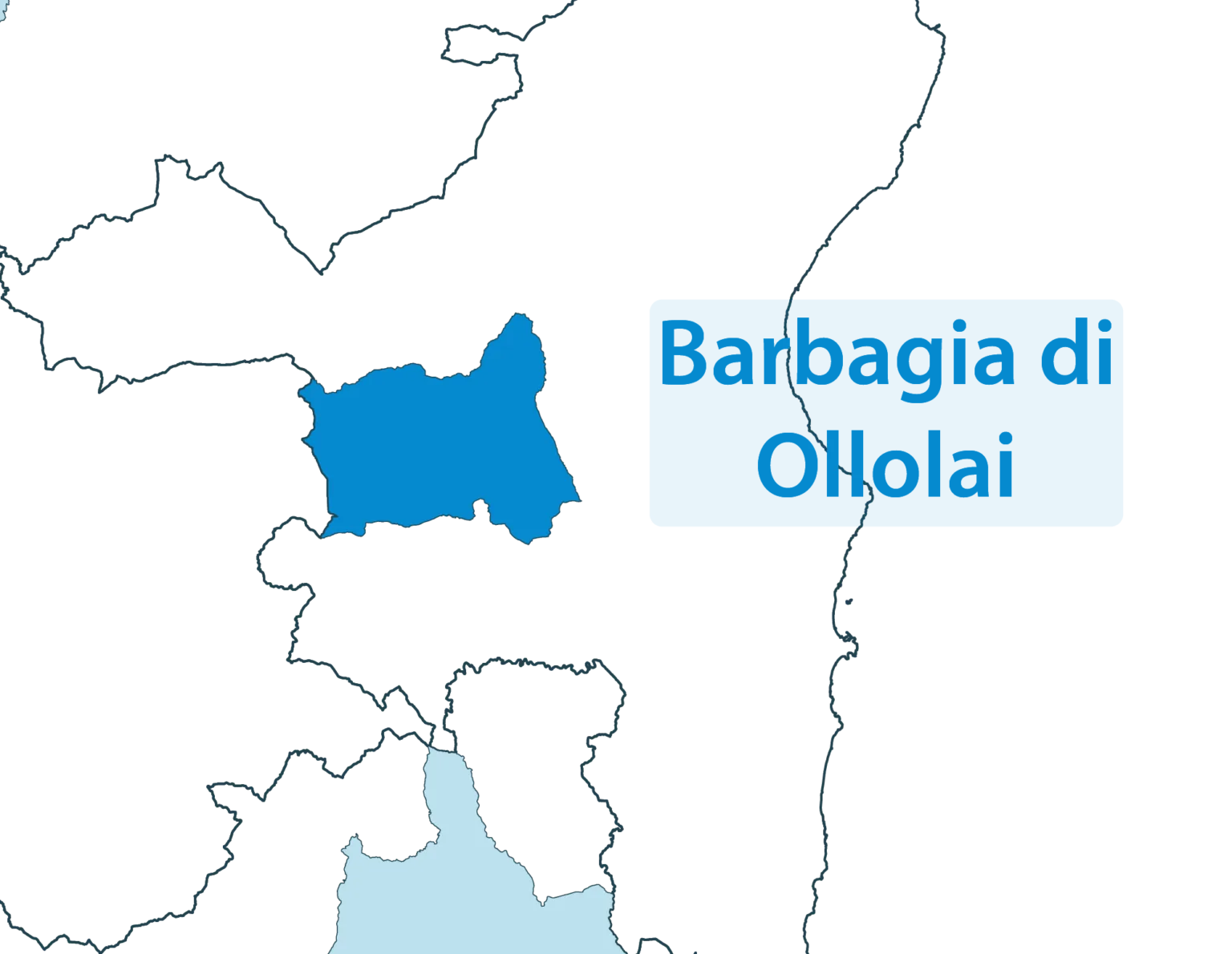
Barbagia di Ollolai, also called “Upper Barbagia,” is a historic mountainous region in the heart of Sardinia. The name “Barbagia” comes from the Latin word “Barbaria,” a term used by the Romans designated the inland areas of the island that were never fully subdued. This region is considered the most authentic core of Sardinian identity, where language, traditions and way of life have been preserved with greater integrity.
Municipalities: Austis, Fonni, Gavoi, Lodine, Mamoiada, Ollolai, Olzai, Ovodda, Teti, Tiana.
Sassarese
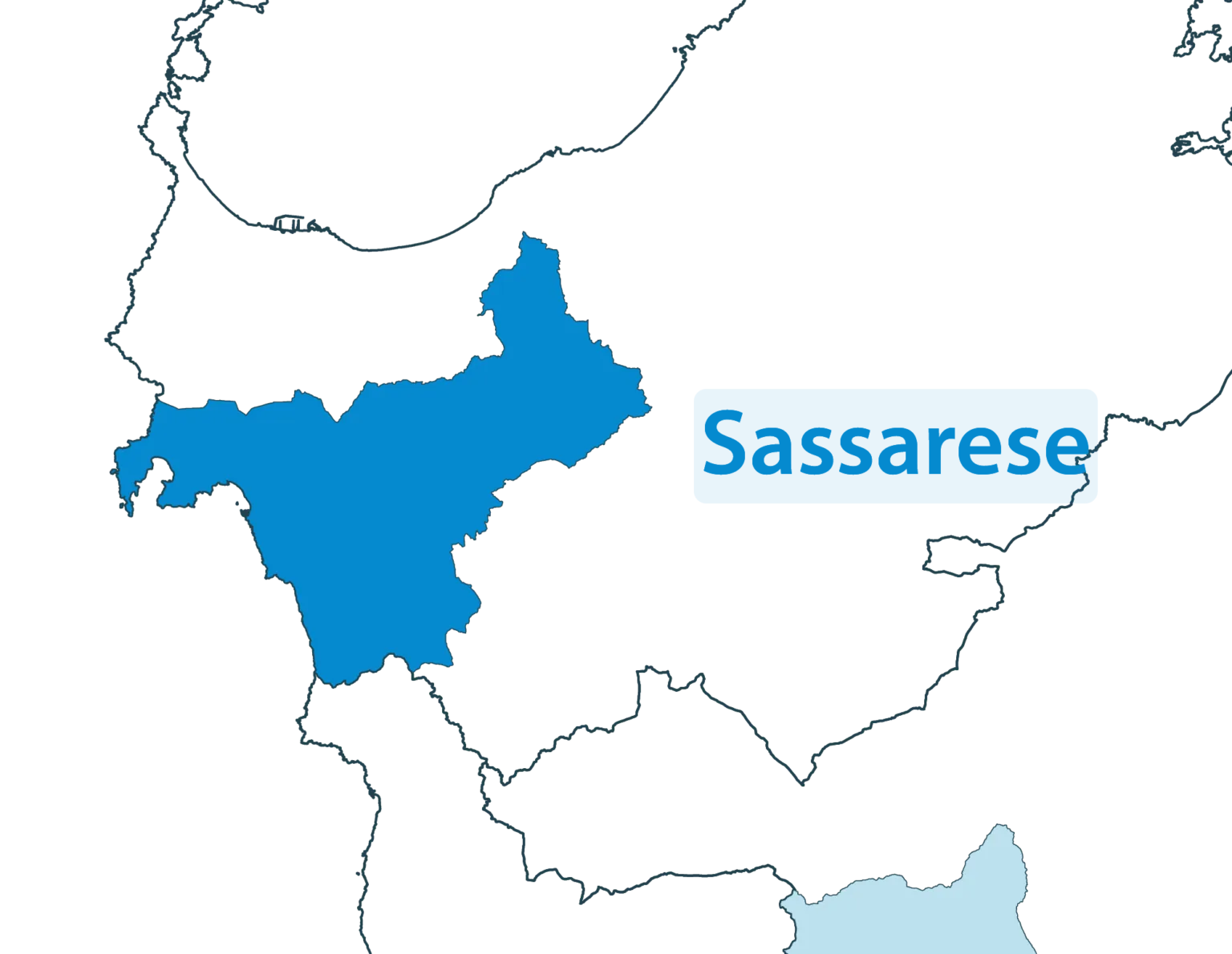
Sassarese, also called Logudoro Turritano, is a historical region located in the northwestern part of the Sardinia. It includes both coastal and inland areas, with a territory characterized by relief of volcanic origin, large stretches of flat land, and sparse forests that interrupt the large expanses of pastures. Historically, Logudoro was one of the island’s four medieval Giudicati, with capital first Porto Torres, then Ardara and finally Sassari. In Sassarese, people speak Sassarese or Turritan, a Romance language that arose around the 12th century from a Tuscan-Corsa base, then evolved independently with Ligurian, Iberian, and Sardinian-Logorian influences.
Municipalities: Alghero, Cargeghe, Codrongianos, Florinas, Ittiri, Monteleone Rocca Doria, Muros, Olmedo, Osilo, Ossi, Ploaghe, Putifigari, Romana, Tissi, Uri, Usini, Villanova Monteleone.
